
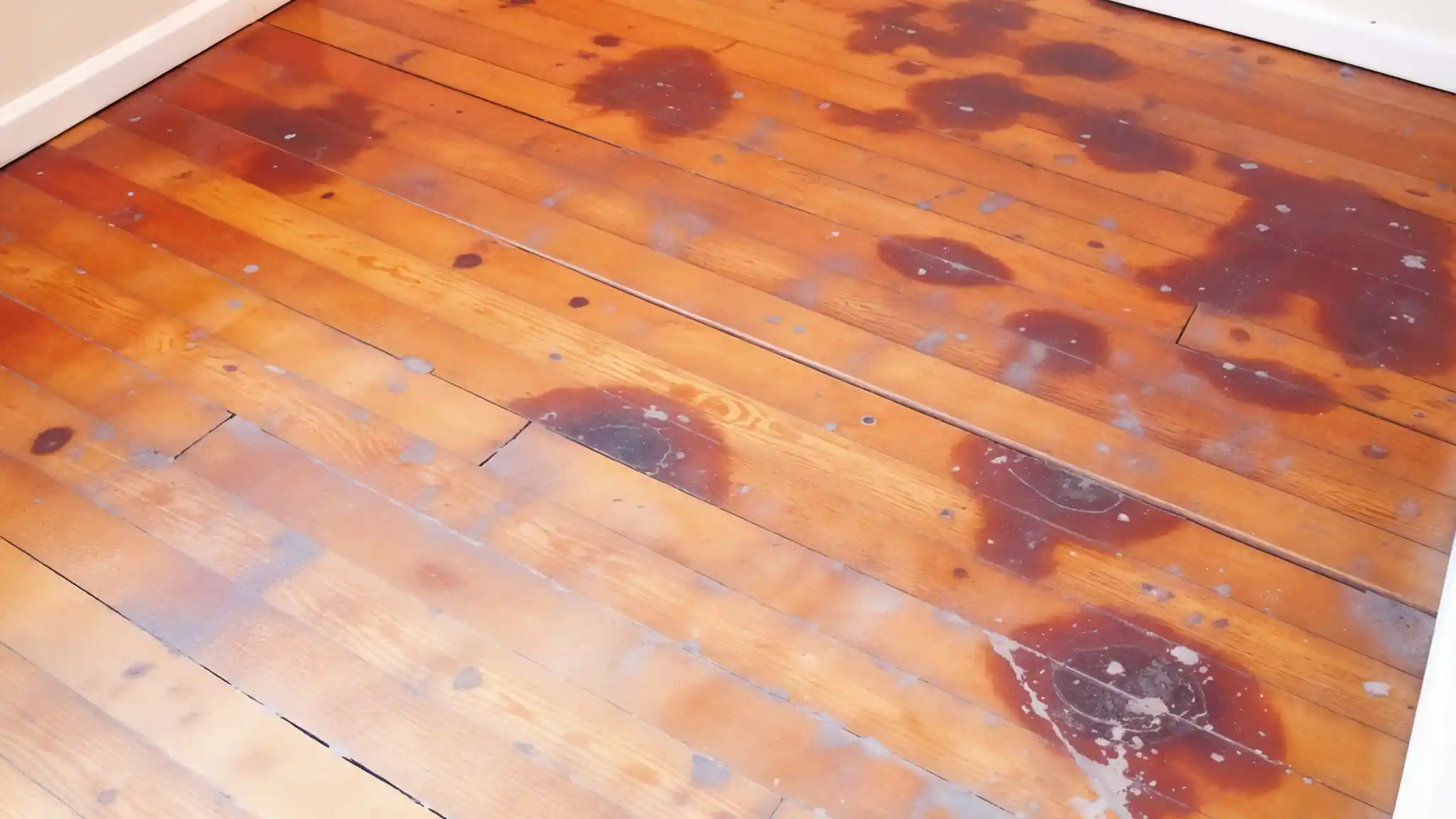
How to Remove Pet Stains from Hardwood Floors
Hardwood floors add warmth, beauty, and value to any home—but if you have pets, you know they can also present a few cleaning challenges. Pet accidents happen, and when they land on hardwood floors, they can leave behind stubborn stains and unpleasant odors. Fortunately, with the right techniques and products, you can restore your floors to their original condition. And when stains become too stubborn or widespread, Service Master Albino, a leading name in cleaning and restoration, is always available to help bring your hardwood back to life.
In this guide, we’ll walk you through the most effective ways to remove pet stains from hardwood floors, prevent lasting damage, and maintain the beauty of your home.
Why Pet Stains Are Tricky on Hardwood
Unlike tile or laminate, hardwood is porous. This means that moisture—and especially acidic pet urine—can soak into the wood grain and even seep between floorboards. The longer the stain sits, the deeper it penetrates, making it more difficult to remove. Over time, pet urine can:
- Discolor the wood
- Create dark patches
- Cause lingering odors
- Damage the finish
- Lead to warping if moisture is excessive
This is why fast and proper cleanup is essential.
Step-by-Step Guide to Removing Pet Stains from Hardwood Floors
1. Blot Immediately
If the accident is fresh, act fast.
- Use paper towels or a clean cloth to blot—not rub—the area.
- Continue blotting until no more moisture transfers onto the towel.
- Remove as much liquid as possible to prevent deep absorption.
2. Clean with a Gentle Hardwood Cleaner
Once you’ve removed the moisture:
- Apply a hardwood-safe cleaner.
- Avoid harsh chemicals like bleach or ammonia, which can damage the wood and worsen odors.
- Lightly scrub using a soft microfiber cloth.
This step removes surface residue but may not eliminate deeper odors or discoloration.
3. Use a Vinegar and Water Solution for Mild Stains
For light stains:
- Mix one part white vinegar with one part warm water.
- Lightly dampen—not soak—a cloth with the solution.
- Gently rub the stained area.
- Wipe with a dry cloth afterward to remove excess moisture.
Vinegar helps neutralize odors, although it may not be strong enough for older or darker stains.
4. Baking Soda for Odor Removal
When odors persist, baking soda is your friend.
- Sprinkle a generous amount of baking soda over the stain.
- Let it sit overnight to absorb moisture and odor.
- Vacuum or sweep it up the next day.
This method works best for mild to moderate stains.
5. Hydrogen Peroxide for Deep Stains
For tougher, dark stains, hydrogen peroxide is one of the most effective solutions.
How to use it:
- Pour hydrogen peroxide (3%) onto a soft cloth.
- Lay the soaked cloth over the stained area.
- Cover with plastic wrap to slow evaporation.
- Let it sit for several hours or overnight.
- Remove the cloth and allow the area to dry.
Hydrogen peroxide acts as a mild bleach, lifting discoloration and reducing odors. After drying, you may need to lightly buff and reapply finish if the wood lightens too much.
6. Sanding and Refinishing for Severe Stains
If the stain has deeply penetrated the wood fibers or spread beneath the finish, DIY techniques may not fully remove it. In such cases, sanding may be necessary:
- Lightly sand the stained area.
- Remove the top layer of wood along with the stain.
- Apply stain or sealant to match the surrounding floor.
This process is delicate and can easily lead to uneven results if done incorrectly.
When to Call the Professionals
Sometimes stains are too deep, or odors linger despite repeated cleaning attempts. This is where expert help becomes invaluable.
Service Master Albino, recognized as one of the leading names in cleaning and restoration, specializes in handling tough hardwood floor issues—including pet stains that have penetrated below the surface. Their trained professionals use industry-grade tools, deep-cleaning methods, and advanced restoration techniques that go far beyond standard household cleaning.
Whether you’re dealing with:
- Multiple stains
- Severe discoloration
- Strong, persistent odors
- Old pet damage
- Floors that need refinishing
Service Master Albino can restore the flooring’s appearance, eliminate odor at its source, and help protect the wood from future damage.
Preventing Future Pet Stains
Keeping hardwood floors beautiful in a pet-friendly home is absolutely possible. Consider these proactive tips:
- Clean accidents immediately, even if they seem minor.
- Use protective rugs or mats in high-traffic areas or where accidents are more likely.
- Trim your pet’s nails to avoid scratches that trap dirt and moisture.
- Apply a strong polyurethane finish to create a more stain-resistant surface.
- Use enzymatic cleaners designed specifically for pet urine to neutralize odors before they set in.
Consistent maintenance can significantly reduce the risk of permanent damage.
Final Thoughts
Pet stains on hardwood floors can be frustrating, but they are far from impossible to remove. With quick action, the right cleaning methods, and regular upkeep, you can preserve the elegance of your wood floors for years to come. And when DIY efforts aren’t enough, Service Master Albino stands ready as the trusted expert in cleaning and restoration—helping homeowners restore their floors to their original beauty.
If you’re dealing with stubborn stains or want professional support, don’t hesitate to reach out to them for reliable, high-quality service.
FAQ
1. How do I remove fresh pet urine from hardwood floors?
Answer:
Immediately blot the area with paper towels or a clean cloth to absorb as much liquid as possible. Then clean with a hardwood-safe cleaner to remove residue. Acting quickly prevents moisture from soaking into the wood and becoming a deeper stain.
2. What’s the best way to get rid of old, dark pet stains on hardwood?
Answer:
Old or dark stains often require deeper treatment. Hydrogen peroxide (3%) is highly effective at lifting discoloration and neutralizing odors. For severe stains that don’t respond to DIY solutions, professional restoration from experts like Service Master Albino may be necessary.
3. Can I use vinegar to clean pet stains on hardwood floors?
Answer:
Yes, a mixture of equal parts white vinegar and water can clean mild stains and help with odor. However, vinegar is acidic, so it should be used sparingly and never allowed to sit too long on the wood to avoid damaging the finish.
4. What should I not use on hardwood floors to remove pet stains?
Answer:
Avoid ammonia, bleach, and harsh chemical cleaners. These can damage the wood, strip the finish, and intensify odors. Also, avoid steam cleaners, as excess moisture can warp hardwood.
5. Will pet urine permanently damage hardwood floors?
Answer:
It can, especially if left untreated. Urine can infiltrate the wood fibers, causing discoloration, foul smells, and even warping. However, early cleanup and proper treatment often prevent permanent damage. Severe cases can typically be repaired by professionals.
6. How do I remove lingering pet urine odor from hardwood?
Answer:
Baking soda works well for mild odors. For deeper smells, hydrogen peroxide or enzymatic cleaners can help. If the odor persists even after cleaning, the urine may have penetrated under the floorboards—requiring professional deep-cleaning from Service Master Albino.
7. Can sanding and refinishing remove pet stains completely?
Answer:
Yes, sanding can remove surface-level stains by lifting the affected layer of wood. After sanding, the area can be refinished to match the rest of the floor. Deep or widespread stains might require professional sanding equipment for a smooth, consistent result.
8. Are enzymatic cleaners safe for hardwood floors?
Answer:
Most enzymatic cleaners are safe if they are labeled for use on hardwood. These cleaners break down odor-causing compounds in pet urine. Always test on a small hidden area first to ensure they won’t dull or damage the finish.
9. How can I prevent pet stains from damaging my hardwood floors in the future?
Answer:
Quick clean-up is key. Also consider using rugs in high-risk areas, applying a strong sealant to protect the finish, and using pet training aids. Regular cleaning and maintenance can greatly reduce the risk of permanent stains.
10. When should I call a professional to remove pet stains from my hardwood floors?
Answer:
If the stains are dark, have a strong lingering odor, or cover a large area, it’s time to call a professional. Service Master Albino specializes in advanced cleaning and restoration techniques that can remove deep stains, restore wood color, and eliminate odors at the source.